Where it all began:
roots, time, and vision.

Tomisa was born in 1997, from a simple choice: we wanted to take care of the fields that surrounded our home in Castel de’ Britti

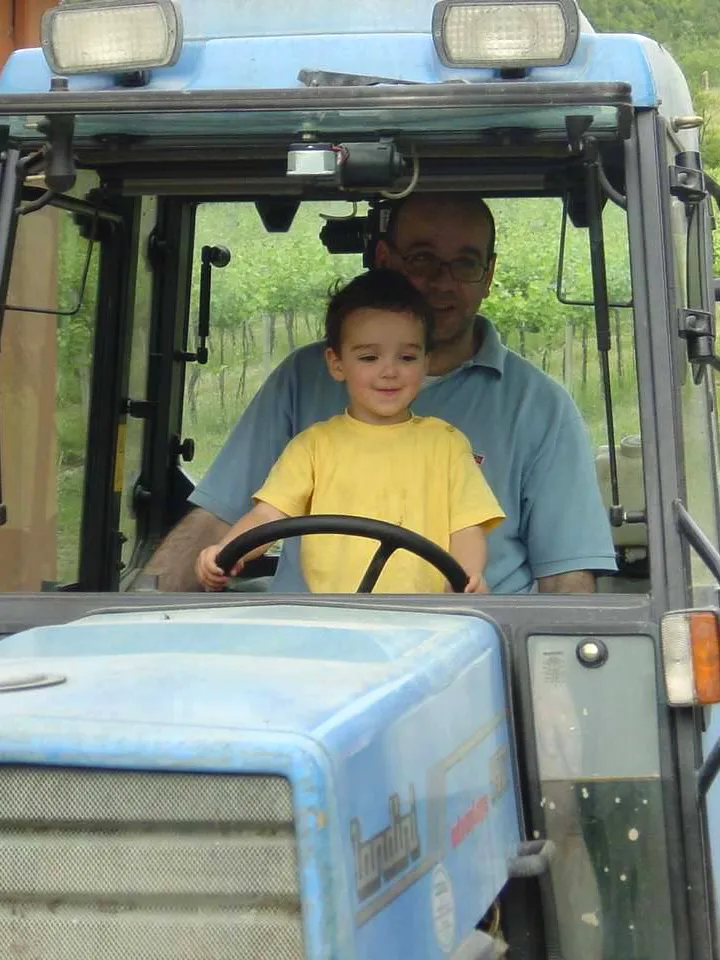
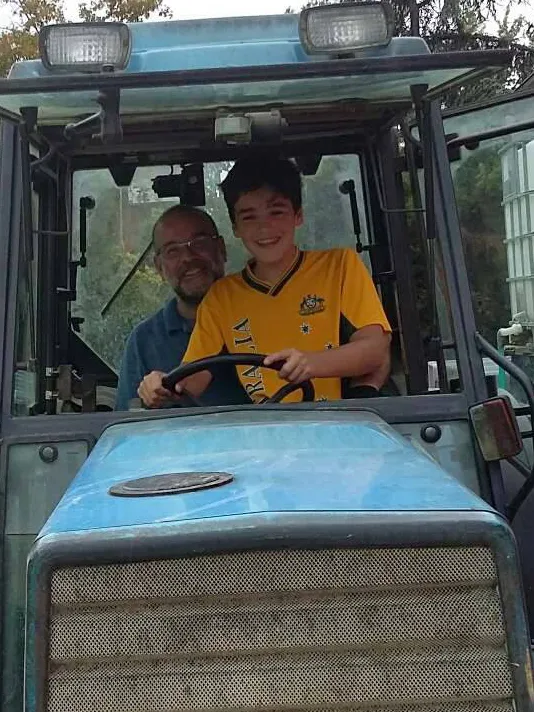
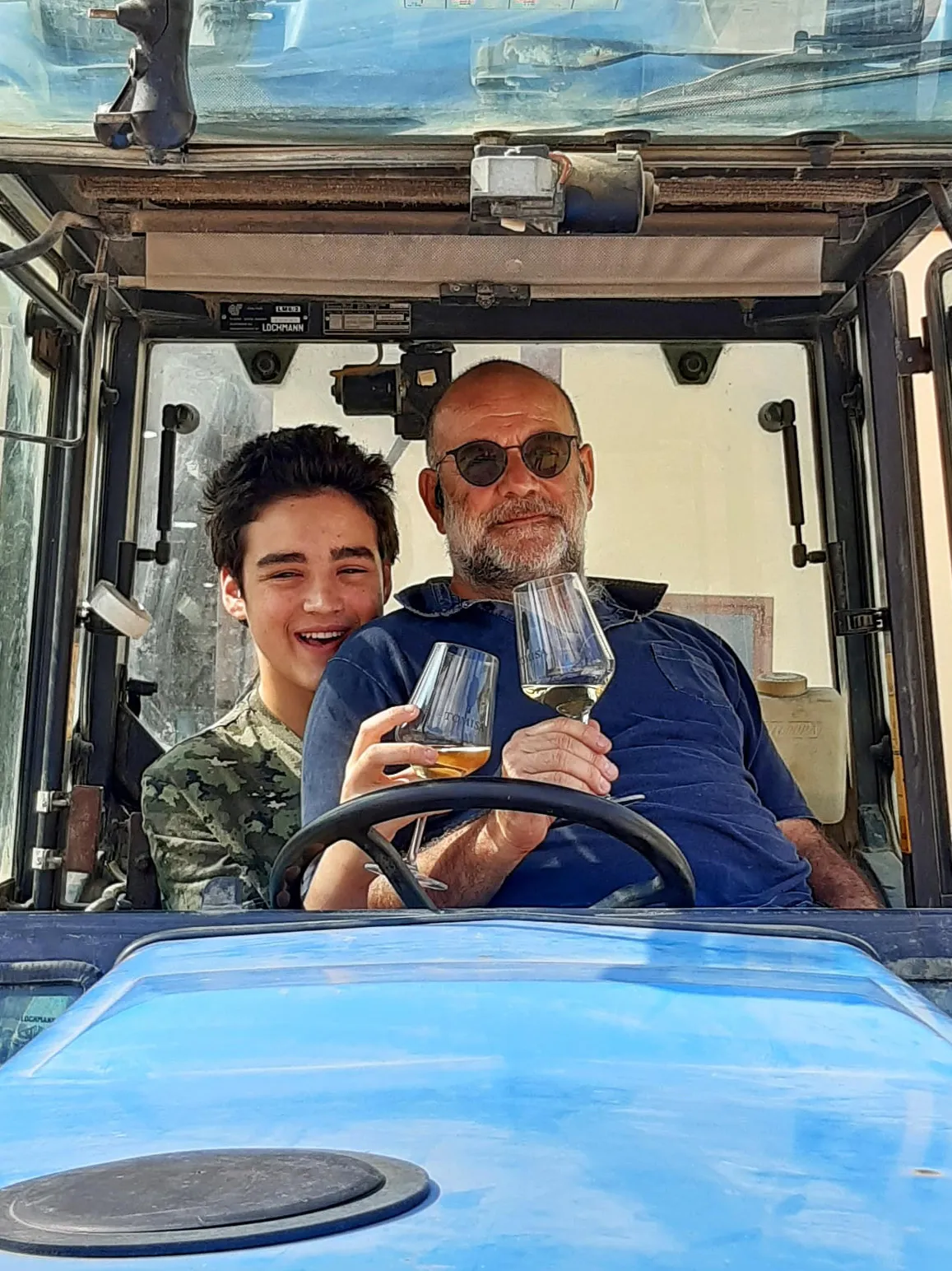
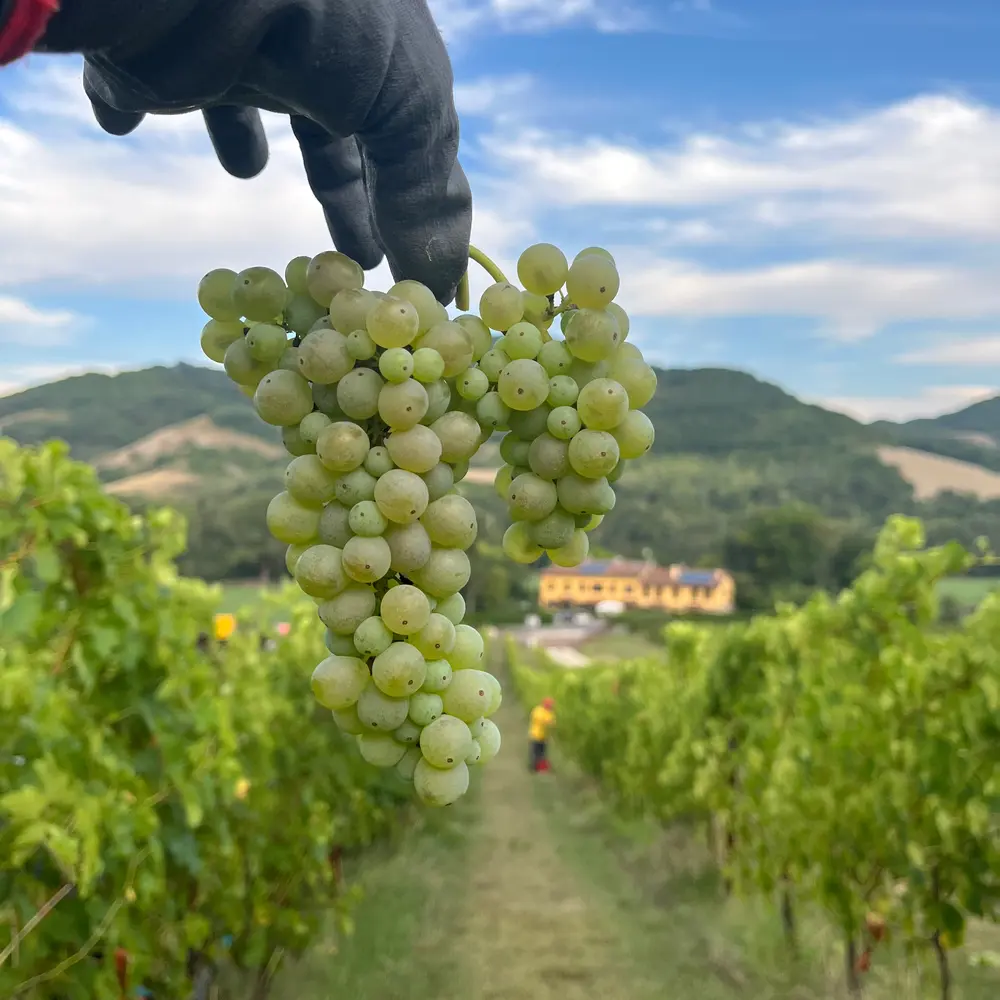
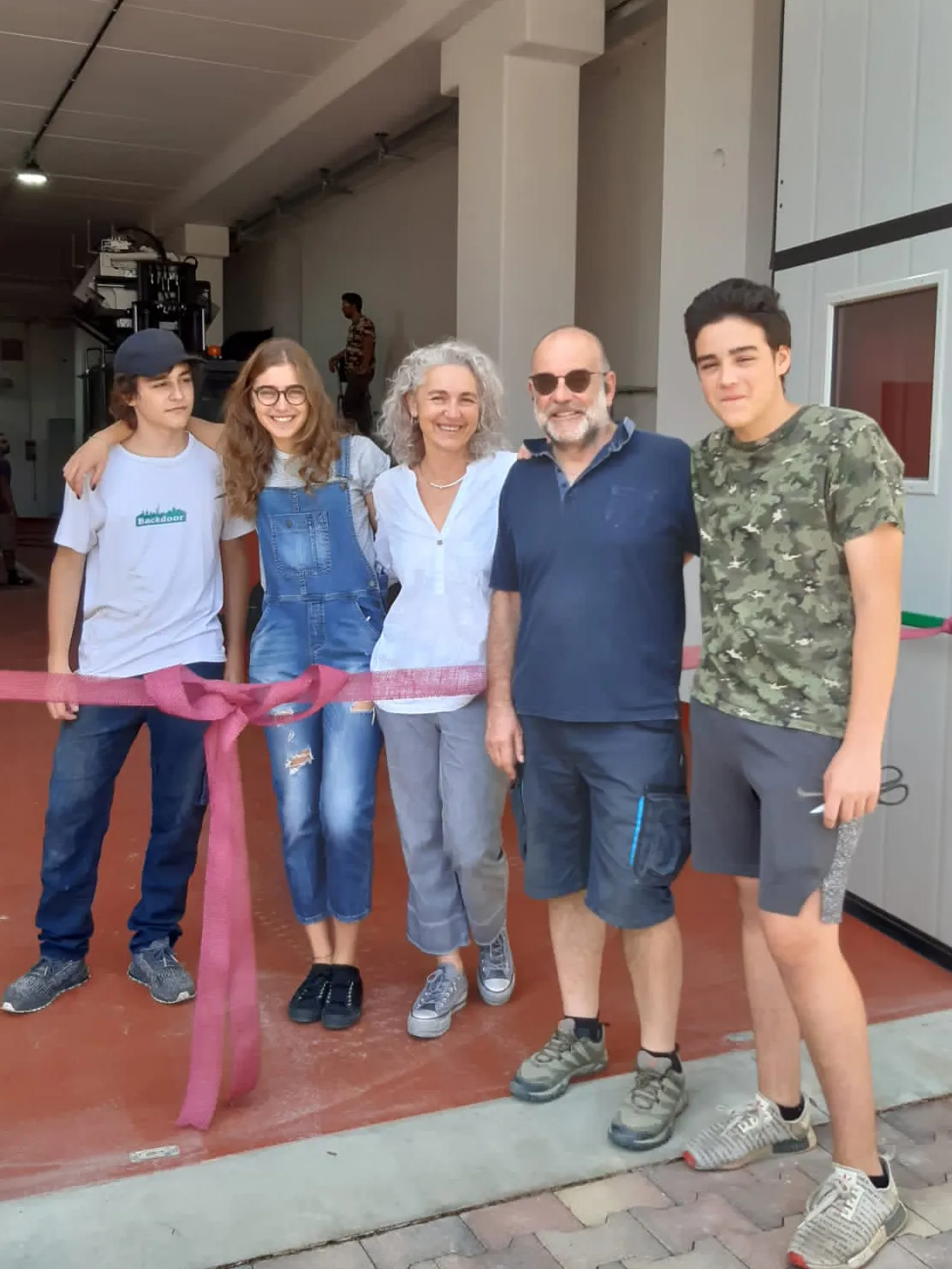
It all began with Giuseppe’s dream. Following the example of his grandfather, he had always wanted to produce wine. When the opportunity arose, he decided to take the risk together with his wife Donatella: in the late 1990s they began taking care of the vineyards surrounding their home in Castel De’ Britti, on the first hills southeast of Bologna. For more than ten years they cultivated the grapes with patience and dedication, nurturing an idea along the way: one day seeing their own name on the bottles. Around the winery, 65 hectares of land stretch, 16 of which are vineyards, protected by woods and hills in the heart of the Regional Park of the Bolognese Chalk Hills. Here, choosing organic farming came naturally, as a gesture of respect for a fragile and precious territory. Since 2003 the winery has been certified organic. In 2008 the first bottles signed Tomisa were released—Colli Bolognesi wines made from Grechetto Gentile, Chardonnay, Barbera, Merlot, and Cabernet Sauvignon. In 2012 the pomace gave life to a natural cosmetics line, a sign of a thoughtful and circular vision. The dream was completed in 2021 with the inauguration of the winery, followed in 2025 by the tasting room. Today Tomisa is still a family story, shared also with their children, Isotta, Tommaso and Giulio, who work alongside Giuseppe and Donatella in the daily life of the winery and in shaping its future
1997

Beginning of the cultivation of the lands

2003

Our vineyard becomes completely Organic

2008

First vintage bottled with Tomisa’s labels

2012

Our first cosmetic line

2021

New winery,
new image

2021

Joined the Slow Wine Coalition

2022

Joined FIVI (The Italian Independent winegrowers association)

2025

Launch of the wine tourism project

Outside our window:
among hills and vineyards.

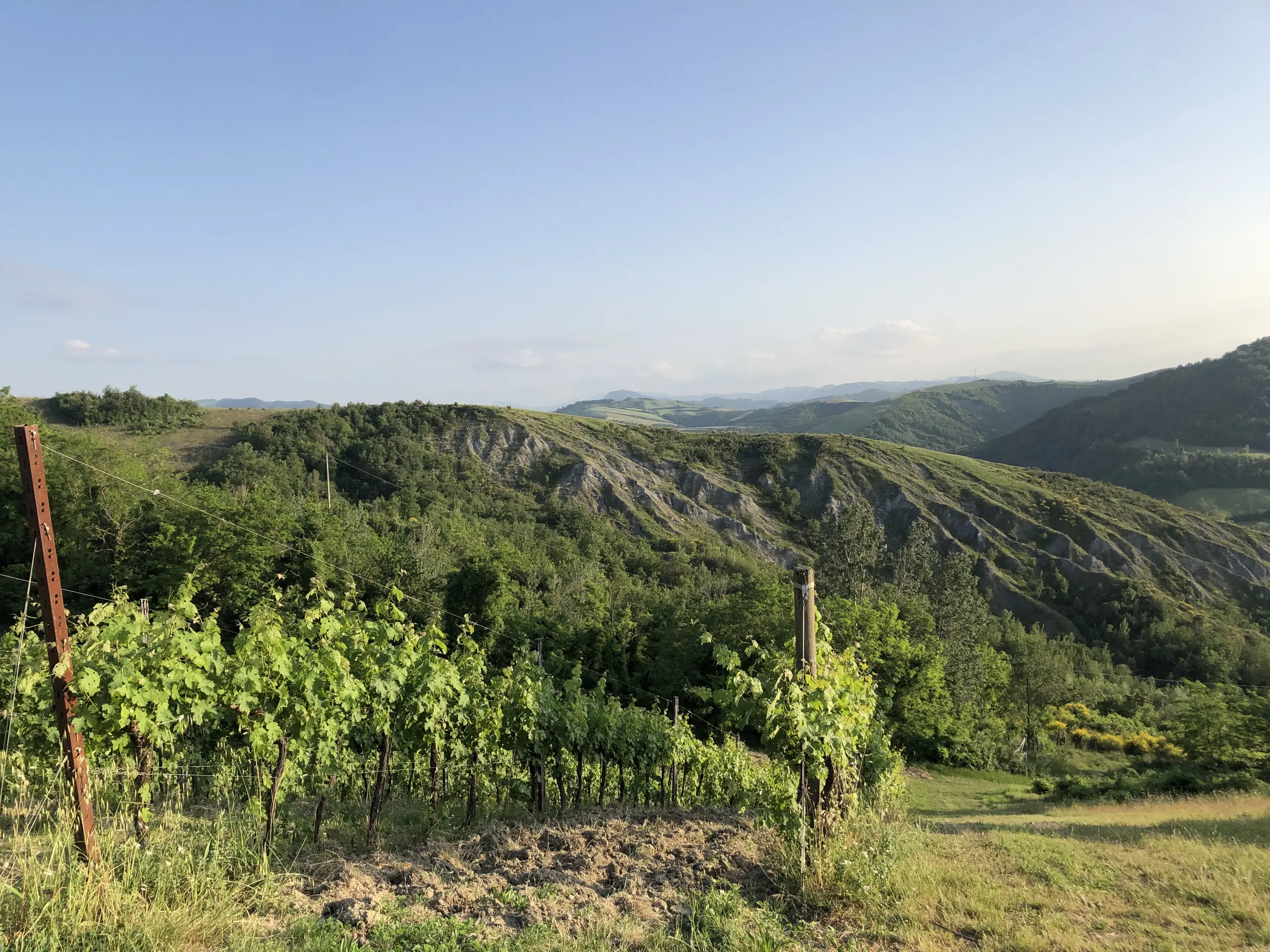
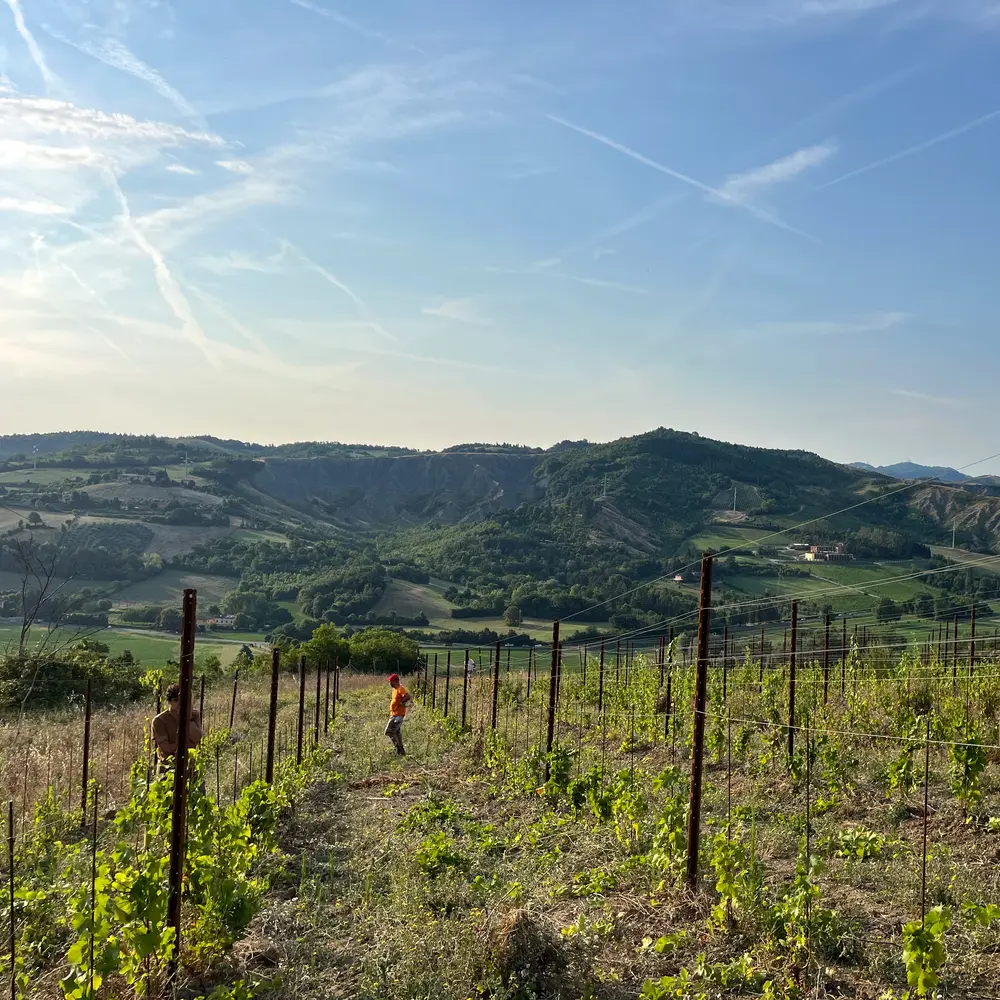
The Regional Park “dei Gessi Bolognesi e Calanchi dell’Abbadessa” extends across the municipalities of San Lazzaro di Savena, Ozzano dell’Emilia, Pianoro, and Bologna, covering a total area of about five thousand hectares. For nearly 40 years, it has protected the gypsum outcrops and the gullies that surround and shape our vineyards, creating a true oasis of biodiversity. The gullies, rich in clay, define not only the landscape but also the wines born from it, naturally giving them structure and a distinctive character. Numerous trails run through our vineyards and lands, making the park and the winery a perfect destination for those who wish to spend time immersed in nature. Another defining feature of the territory where Tomisa is located is that it lies within the Colli Bolognesi appellation, even though the winery is the last winery of the Colli Bolognesi area, and therefore also the last in Emilia. The Colli Bolognesi offer a very diverse wine landscape, where native and international varieties meet, producing outstanding red and white wines, both still and sparkling. At Tomisa Winery, we embrace this diversity by cultivating local grape varieties such as Grechetto Gentile (from which Pignoletto is made) and Barbera. Alongside these traditional grapes, the Colli Bolognesi are also home to varieties such as Chardonnay, Merlot, and Cabernet Sauvignon…

Our way of making wine:
a daily commitment.

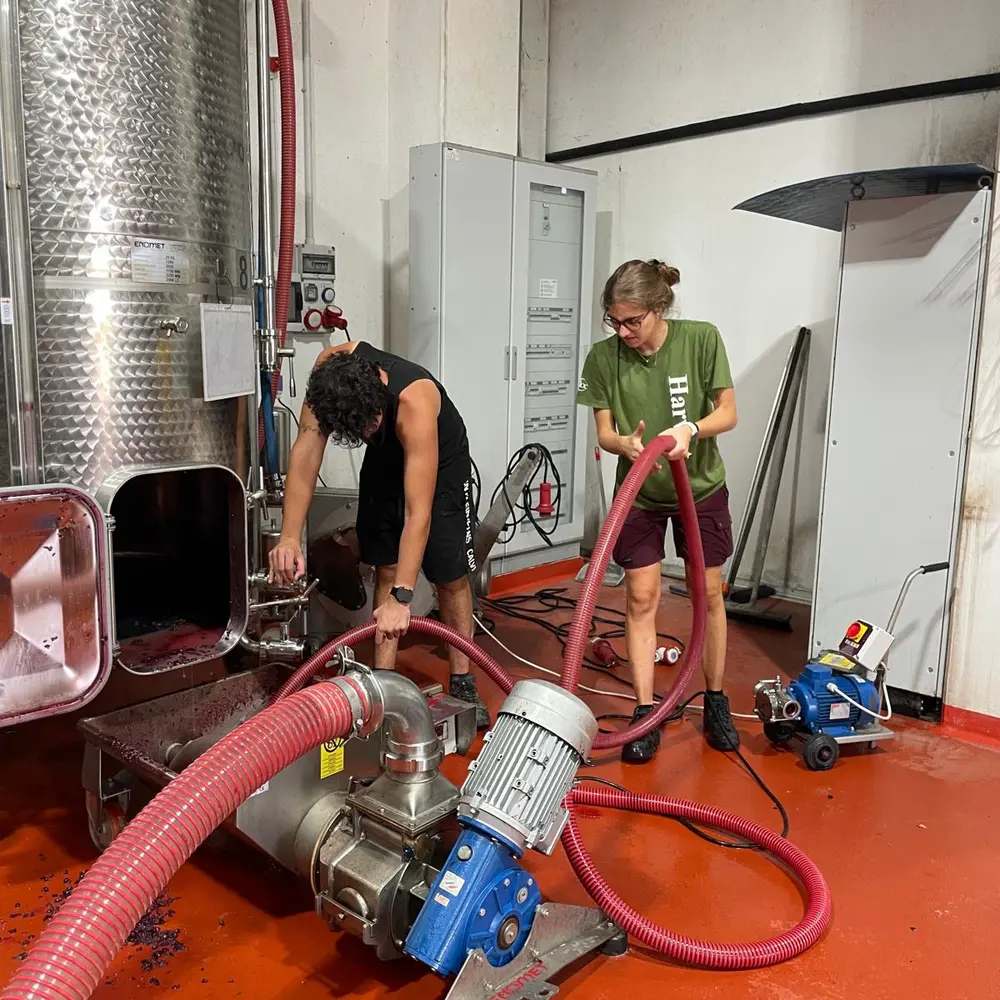
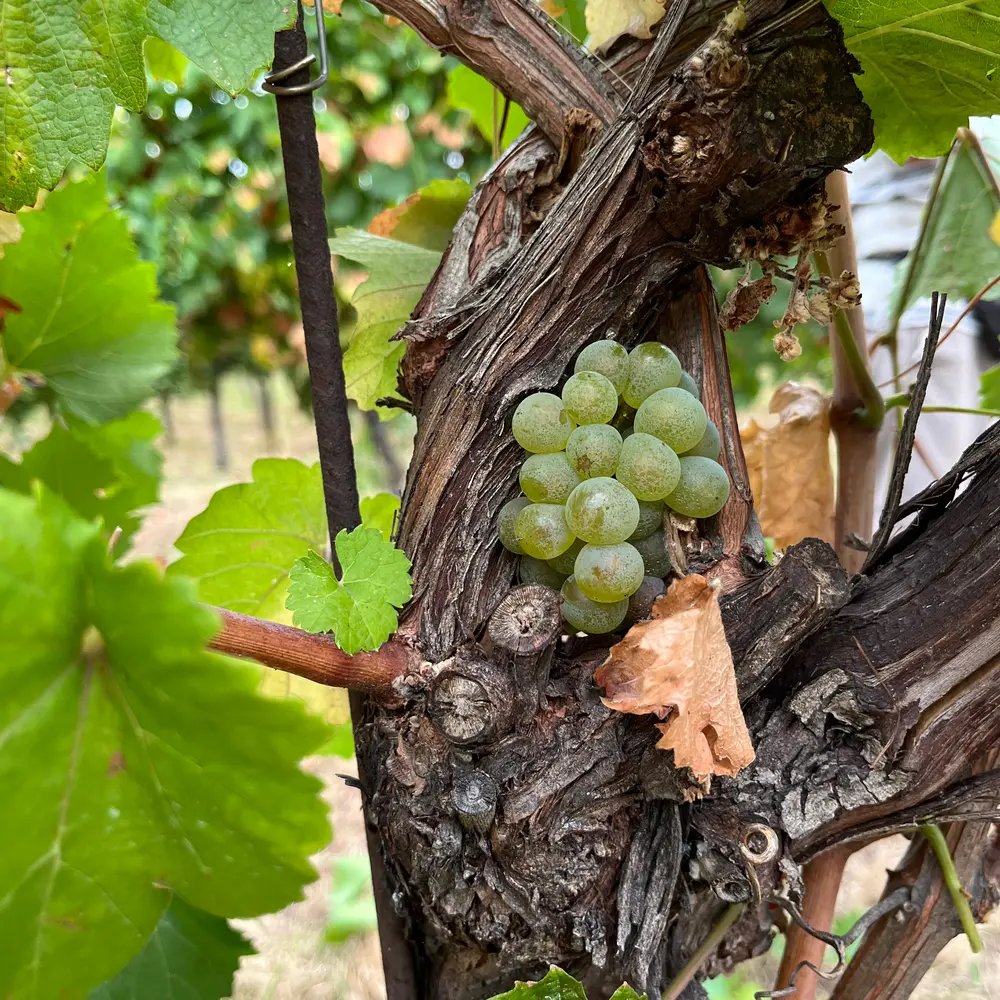
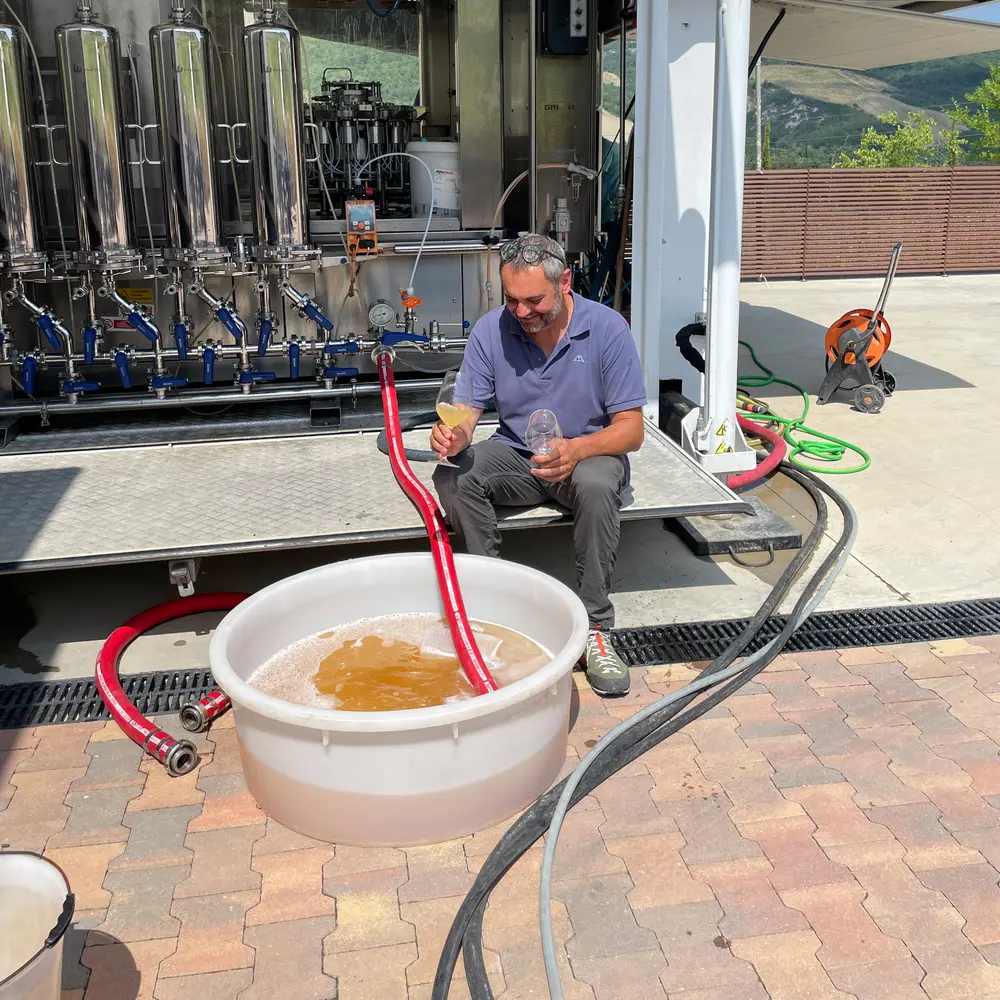
Switching to organic production was a natural choice for us, a spontaneous consequence of the fact that we have always lived surrounded by our vineyards. Organic farming requires great attention and particular care for the well-being of each plant and, above all, for the vitality of the soil. For this reason, special attention is given to soil management, with conservative practices and the sowing of different plant species to ensure the widest possible biodiversity in the vineyard. Pruning, both in winter and summer, is always aimed at preserving the plant’s overall balance and health. All the work carried out in the vineyard continues in the winery, where only organic products and no animal-derived substances are used. The goal of the winemaking process is to respect and enhance the grapes, their characteristics, and the unique qualities of each vintage. For this reason, we always try to intervene as little as possible, because we believe that wine is made first and foremost in the vineyard.